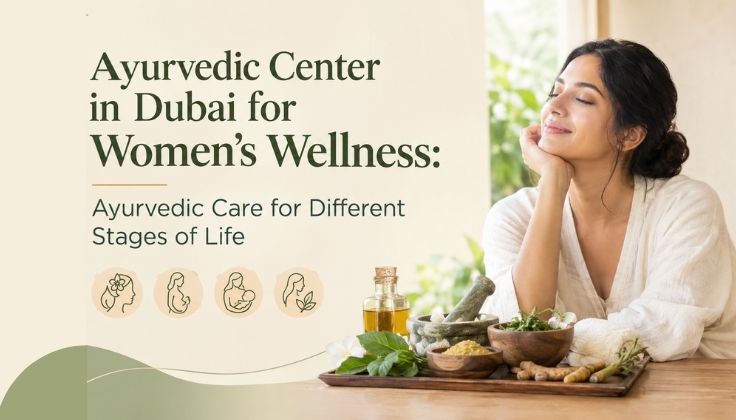
Women experience different physical and emotional changes throughout their lives. From puberty and menstrual health to pregnancy, motherhood, and menopause, each stage brings unique wellness needs. An Ayurvedic center in Dubai can offer traditional wellness practices that complement appropriate medical care and help women focus on their overall well-being.
Ayurveda views health as a balance between the body, mind, lifestyle, and environment. At Jasnas Clinic, women can explore Ayurvedic wellness approaches suited to their individual needs, with guidance from qualified practitioners and attention to their stage of life.
Ayurveda is a traditional Indian system of health that emphasises individual constitution, daily routines, dietary habits, and lifestyle choices. It considers factors such as digestion, sleep, stress, and physical activity when approaching general wellness.
Women’s health needs can change with age, hormonal fluctuations, pregnancy, and menopause. Ayurvedic consultations may help women understand how their routines and habits relate to their well-being.
However, Ayurveda should not replace necessary medical examinations, prescribed ayurvedic treatments, or specialist care. Symptoms such as severe menstrual pain, unusually heavy bleeding, persistent fatigue, or unexpected changes in menstrual cycles require appropriate medical assessment.
Puberty marks an important transition in a young woman’s life. Menstruation begins, hormonal changes occur, and emotional experiences may become more complex. Establishing healthy habits during this period can support long-term well-being.
Ayurveda places importance on regular routines, balanced meals, adequate rest, and personal hygiene. These practices can complement age-appropriate menstrual health education.
Young women may benefit from learning about nutrition, hydration, sleep, and gentle physical activity. Understanding menstrual patterns also helps them recognise changes that may need medical attention.
Parents and caregivers can encourage open conversations about periods without embarrassment or unnecessary restrictions. If periods are extremely painful, unusually heavy, or absent for an extended period, medical evaluation is important.
The reproductive years can involve several responsibilities, including work, relationships, family life, and personal commitments. Busy schedules, irregular meals, and insufficient sleep may affect how women feel physically and emotionally.
Ayurvedic wellness consultations often consider everyday habits alongside an individual’s concerns. A practitioner may discuss suitable meal routines, relaxation practices, sleep habits, and gentle movement based on the person's circumstances.
Women experiencing menstrual discomfort or irregular cycles should seek medical advice to identify possible causes. Conditions such as polycystic ovary syndrome (PCOS), thyroid disorders, and endometriosis require appropriate assessment and management.
Ayurvedic practices may be considered as complementary support when suitable, but they should not be presented as proven treatments for hormonal disorders or as substitutes for evidence-based care.
Pregnancy planning often encourages women to pay closer attention to nutrition, sleep, stress management, and general health. Ayurveda traditionally emphasises preparing the body through suitable routines and individualised dietary guidance.
Women considering Ayurvedic care before conception should discuss their plans with both their obstetrician or gynaecologist and a qualified Ayurvedic practitioner . This helps ensure that any complementary practices are appropriate for their circumstances.
During pregnancy, safety must take priority. Herbal products, supplements, intensive detoxification procedures, and certain massage techniques may be unsuitable. Women should not begin Ayurvedic medicines or treatments without checking their safety with their maternity care team.
Ayurvedic wellness approaches should support, rather than replace, antenatal appointments, recommended screening, and medical advice throughout pregnancy.
The period after childbirth brings substantial physical and emotional changes. New mothers may experience fatigue, disrupted sleep, physical discomfort, and the demands of caring for a newborn.
Ayurveda traditionally gives importance to rest, nourishing food, and gradual recovery during the postpartum period. Depending on individual needs, general wellness guidance may focus on regular meals, hydration, relaxation, and returning to everyday activities at a suitable pace.
However, postpartum recovery differs for every woman. Recovery after a caesarean birth may involve different restrictions from recovery after a vaginal birth. Any massage, herbal preparation, or specialised procedure should be discussed with the treating healthcare professional.
Persistent sadness, overwhelming anxiety, severe weakness, fever, heavy bleeding, or other concerning symptoms require prompt medical attention. Emotional well-being deserves the same care as physical recovery.
Perimenopause is the transition leading to menopause, while menopause marks the end of menstrual periods. During this stage, women may experience hot flashes, night sweats, sleep difficulties, mood changes, and vaginal dryness.
Ayurvedic wellness guidance may focus on supportive routines, relaxation, balanced nutrition, and comfortable physical activity. These habits can contribute to general health, although they do not guarantee relief from menopausal symptoms.
Women experiencing persistent discomfort should discuss available treatment options with a healthcare professional. Depending on their medical history and preferences, evidence-based options may include hormonal or non-hormonal treatments.
A personalised approach helps women understand their options and make informed decisions instead of relying on unverified claims about natural remedies.
Women often manage competing responsibilities across their professional and personal lives. Long working hours, family commitments, and inadequate rest can make stress difficult to manage.
Ayurveda recognises the relationship between lifestyle and general well-being. Gentle yoga, breathing exercises, meditation, and regular sleep routines may help some women manage everyday stress.
The most suitable approach depends on individual preferences, health conditions, and available time. Even small changes, such as taking short breaks, maintaining regular meals, and setting aside time for relaxation, can make routines more manageable.
Persistent anxiety, low mood, or emotional distress should not be dismissed as a normal part of womanhood. Professional mental health support may be beneficial when symptoms interfere with daily life.
Choosing an appropriate clinic is an important part of any wellness journey. Women should look for qualified practitioners, transparent treatment information, and an approach that respects their medical history and personal circumstances.
Before beginning treatment, consider asking these questions:
Women should also disclose pregnancy, breastfeeding, allergies, existing health conditions, and all medicines or supplements they use. Some herbal products can interact with prescription medicines or cause unwanted effects.
A responsible clinic should explain the purpose, limitations, possible risks, and expected costs of its services without promising guaranteed results.
Women’s wellness needs evolve from puberty and the reproductive years to motherhood, menopause, and later life. Ayurveda offers a traditional framework that emphasises individual routines, balanced living, and attention to overall well-being. Its practices should be selected carefully and used alongside appropriate medical care.
For women exploring an Ayurvedic center in Dubai, the priority should be finding qualified practitioners who understand individual needs, communicate clearly, and recognise when medical referral is necessary. Consulting an experienced Ayurvedic doctor in Dubai can help women understand suitable complementary wellness options while making informed decisions about their health.
At Jasnas Clinic, women can explore their wellness concerns through an individualised consultation and discuss appropriate next steps based on their circumstances. A thoughtful approach to care can help women prioritise their well-being at every stage of life.