Healthy hair begins with a healthy scalp, but concerns such as dryness, dandruff, breakage, and hair fall can have different causes. Ayurveda approaches hair and scalp care by considering diet, lifestyle, daily routines, individual constitution, and overall wellbeing.
An Ayurveda clinic in Dubai can support natural hair and scalp care through personalised consultation, traditional therapies, and lifestyle guidance. Instead of recommending the same routine to everyone, an Ayurvedic practitioner can develop an approach based on individual needs.
The scalp provides the environment in which hair grows. Excess oil, dryness, product buildup, irritation, and harsh hair-care practices can affect scalp comfort and the appearance of hair.
Ayurvedic care focuses on maintaining a comfortable scalp through appropriate routines. Depending on individual needs, this may include gentle cleansing, oil application, scalp massage, and lifestyle guidance.
The focus is on supporting healthy hair and scalp habits.
Ayurveda traditionally views hair care as part of broader wellbeing. During a consultation, an Ayurvedic practitioner may ask about constitution, lifestyle, food habits, sleep, stress, digestion, and existing hair or scalp concerns.
This approach can make recommendations more specific. Someone with a dry scalp, for example, may require a different routine from someone experiencing excessive oiliness.
The practitioner considers these factors before suggesting care.
Depending on the assessment, an Ayurvedic practitioner may recommend traditional therapies that support scalp care and relaxation. These can include:
Ayurvedic scalp massage
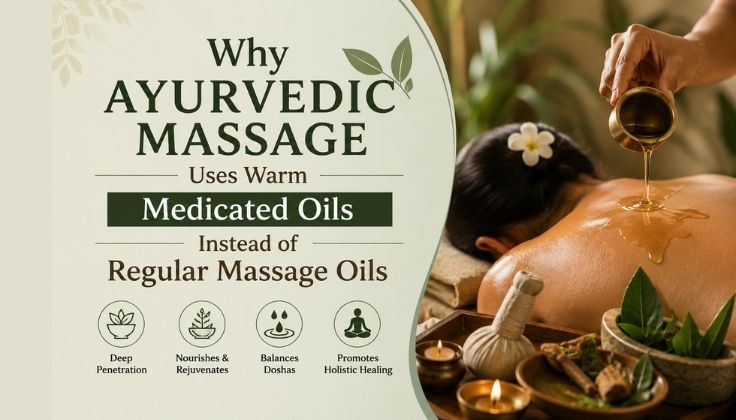
Traditional oil application
Shirodhara, when appropriate
Herbal hair and scalp preparations
Personalised lifestyle recommendations
The type of oil, method, frequency, and duration should be selected according to individual requirements. Specialised therapies should be performed appropriately and under professional guidance.
Hair care is not limited to external treatments. Nutrition, sleep, stress management, hydration, and everyday habits also contribute to overall wellbeing.
An Ayurvedic consultation may include questions about eating patterns, digestion, sleep, stress, and daily routines. The practitioner may suggest practical changes alongside external scalp-care practices.
A balanced approach can make hair care more sustainable. However, lifestyle advice should not replace medical evaluation when hair loss is sudden, persistent, severe, or associated with other symptoms.
Hair concerns can have many possible causes. Genetics, stress, nutritional deficiencies, hormonal changes, medications, scalp conditions, and certain health conditions can all be associated with hair loss or changes in hair quality.
Choosing a treatment simply because it worked for someone else may not address the underlying concern.
Personalised assessment allows the practitioner to understand the individual's situation before recommending a routine. It can also help identify when a concern may need evaluation by a dermatologist or another healthcare professional.
A professional consultation should begin by understanding your concerns rather than immediately selecting a therapy. The practitioner may discuss your hair history, scalp condition, diet, sleep, stress, lifestyle, and relevant health information.
Based on the assessment, an appropriate care plan can be suggested. This may combine external therapies with lifestyle recommendations and follow-up.
The practitioner should explain what a therapy involves, how often it may be performed, and relevant precautions. Clear communication supports informed decisions.
Natural hair care can support general scalp wellbeing, but it should not delay medical evaluation when symptoms suggest an underlying condition.
Seek medical advice if hair loss is sudden or significant, visible patches develop, or the scalp has persistent inflammation, severe itching, pain, scaling, or unexplained changes.
An Ayurvedic practitioner and medical specialist may have complementary roles depending on individual circumstances. Sharing information about medicines, supplements, diagnoses, and treatments can support safer care.
When selecting a clinic, look beyond treatment claims. Consider the practitioner's qualifications, professional licensing, experience, consultation process, hygiene standards, and willingness to personalise recommendations.
Ask whether the clinic assesses your concerns before suggesting therapies and whether the practitioner explains the purpose and precautions of each treatment.
A professional approach should set realistic expectations.
Ayurvedic hair and scalp care is best viewed as a personalised wellness approach rather than a quick solution.
For people looking for an ayurvedic center in Dubai, choosing experienced practitioners and receiving an individual assessment can make the process more informed. At Jasnas Clinic, the approach can focus on understanding the individual first and creating a thoughtful hair and scalp care plan.
Healthy hair care is not only about what you apply to your scalp. It also involves consistent routines, appropriate lifestyle habits, professional guidance, and knowing when a persistent concern needs medical attention.