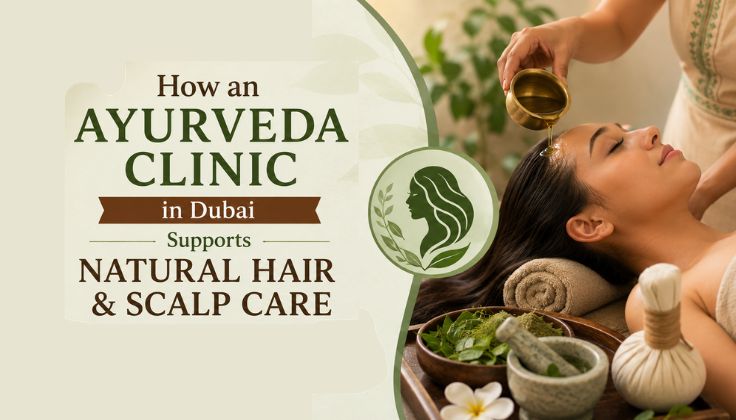
If you have ever experienced an Ayurvedic massage, you may have noticed one thing immediately: the oil is warm, and it is not simply ordinary massage oil. Ayurvedic massage in Dubai often uses warm, medicated oils selected according to the individual's needs rather than a single oil for everyone.
So, why does Ayurveda make such a distinction? The answer lies in the purpose of the treatment. Regular massage oils are mainly used to reduce friction and make massage movements smoother. Ayurvedic oils, on the other hand, are traditionally prepared with herbs and chosen as part of a personalised therapeutic approach.
Warmth is an important part of many Ayurvedic oil therapies. Warm oil spreads easily across the skin and allows the practitioner to perform smooth, rhythmic massage strokes without unnecessary friction.
The warmth can also make the massage feel more comfortable, particularly when the body feels stiff or tense. From an Ayurvedic perspective, warm oil application is traditionally associated with snehana, or oleation, a practice used as part of several Ayurvedic therapies.
The temperature, however, should be comfortable rather than excessively hot. A professional practitioner adjusts the oil temperature according to the treatment and the person's requirements.
The biggest difference is that Ayurvedic oils are not selected only for their texture or fragrance.
Traditional Ayurvedic preparations may combine a base oil with specific herbs or herbal extracts. Sesame oil, coconut oil and other oils can be used depending on the formulation and treatment approach.
The selection may also consider a person's constitution, current concerns, skin condition and the type of therapy being performed.
This is why two people receiving Ayurvedic massage may not necessarily receive the same oil.
|
Warm Medicated Ayurvedic Oil |
Regular Massage Oil |
|
Traditionally formulated with selected herbs |
Usually chosen mainly for lubrication |
|
Oil may be warmed before application |
May be used at room temperature or warmed |
|
Selection can be personalised |
Often a standard product |
|
Used within an Ayurvedic treatment approach |
Primarily supports massage movements |
|
Massage technique forms part of the therapy |
Technique generally focuses on relaxation or muscle work |
The distinction is important. Ayurvedic massage is not simply a conventional massage with a different bottle of oil. The oil, temperature, massage technique and treatment plan are considered together.
A typical Ayurvedic oil massage may begin with an assessment or consultation. The practitioner considers the person's needs before deciding on the appropriate treatment.
During Abhyanga, warm oil is applied to the body using traditional, rhythmic strokes. At Dr. Jasna's Ayurveda Clinic, Abhyanga is one of the clinic's listed Ayurvedic services, alongside other traditional therapies.
The experience is therefore designed to be more structured than simply applying oil and massaging the body.
The amount of oil, temperature, massage pressure and duration can all vary depending on the individual and the therapy.
Ayurvedic traditions associate Abhyanga with relaxation, nourishment of the skin and support for physical wellbeing. Modern research is more limited, but a small pilot study published in the Journal of Alternative and Complementary Medicine found that a one-hour Abhyanga session was associated with reductions in participants' subjective stress and heart rate. The study was small, so its findings should not be treated as proof of every claimed benefit.
For many people, the practical appeal of warm oil massage is its calming and comforting nature.
It may be particularly appealing after a demanding day, periods of physical tension or when someone simply wants a slower, more restorative form of bodywork.
Ayurveda does not follow a one-size-fits-all approach.
Traditional Ayurvedic practice considers factors such as Prakriti (individual constitution) and the person's present condition when planning treatments. This principle also influences oil selection.
For example, an Ayurvedic practitioner may choose a particular herbal oil formulation based on the treatment objective rather than simply asking which fragrance the client prefers.
This personalisation is one of the features that separates an Ayurvedic therapeutic massage from a standard spa massage.
Not necessarily.
Even natural or herbal preparations can cause irritation or an allergic reaction in some people. Certain health conditions may also require modifications or make particular therapies unsuitable.
That is why an Ayurvedic massage should be approached as an individualised therapy rather than a routine treatment that is automatically appropriate for everyone.
If you have a medical condition, take regular medication, are pregnant, or have sensitive or damaged skin, tell the practitioner before treatment. A qualified practitioner can determine whether the therapy should be modified or avoided.
If you are considering Ayurvedic massage in Dubai, the experience may include several stages:
Initial assessment: Your practitioner discusses your concerns and relevant health information.
The exact process varies according to the Ayurvedic therapy being provided.
The setting matters when the purpose of massage is therapeutic rather than purely recreational.
A specialised Ayurvedic clinic can provide consultation-led treatment and combine massage with other traditional therapies when appropriate. Dr. Jasna's Ayurveda Clinic lists Abhyanga, Swedana, Vasti, Nasyam, Elakizhi, Njavara Kizhi, Panchakarma and Ayurveda Massage among its services. Its website also states that Dr. Jasna Jamal Shaju is licensed by the UAE Ministry of Health and Dubai Health Authority.
For someone searching for the Best ayurvedic clinic in Dubai, it is worth looking beyond marketing claims. Consider the practitioner's qualifications, the clinic's approach to assessment, the quality of the oils used and whether treatments are personalised to the individual.
Warm medicated oils are used in Ayurvedic massage because the oil is traditionally considered part of the therapy, not merely a lubricant. Warming the oil makes application comfortable, while herbal formulations are selected according to the treatment approach.
The key difference is therefore purpose: regular massage oil mainly helps the hands move smoothly, while Ayurvedic medicated oils are traditionally selected as part of a broader, personalised Ayurvedic treatment.
For anyone considering Ayurvedic massage, choosing a qualified practitioner and discussing your individual needs before treatment is more important than simply choosing the warmest oil or the longest massage session.