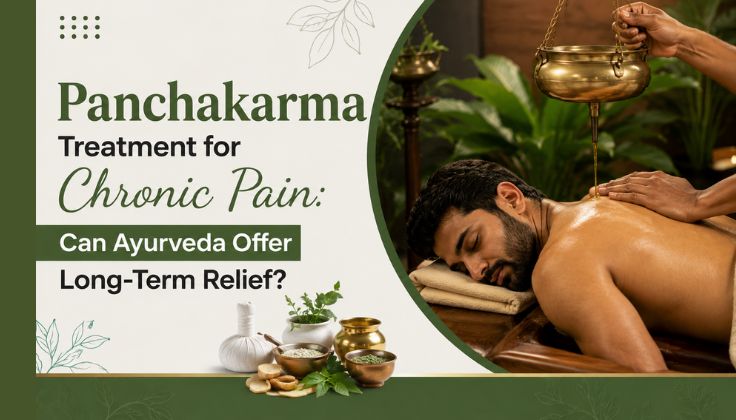
Living with chronic pain can affect every aspect of life. Simple activities like climbing stairs, sitting at a desk, or even getting a good night's sleep can become challenging. While conventional medicine often focuses on managing symptoms with painkillers or anti-inflammatory medications, many people seek natural therapies that address the underlying causes of pain rather than providing temporary relief.
This growing interest has led many individuals to explore Panchakarma treatment in Dubai, a time-tested Ayurvedic detoxification and rejuvenation therapy known for its holistic approach to healing. Instead of masking discomfort, Panchakarma aims to restore balance within the body, helping individuals achieve sustainable relief from chronic pain while improving overall well-being.
Chronic pain is generally defined as pain that persists for more than three months. It may result from arthritis, back problems, muscle injuries, autoimmune conditions, nerve disorders, or long-term inflammation.
According to Ayurveda, chronic pain is often associated with an imbalance in the Vata dosha, the energy responsible for movement, circulation, and nervous system functions. When Vata becomes aggravated, it can lead to stiffness, joint pain, muscle spasms, nerve discomfort, and restricted mobility.
Ayurveda also recognizes that the accumulation of toxins, known as Ama, can obstruct the body's natural channels. These blockages contribute to inflammation, reduced circulation, and persistent pain. Panchakarma focuses on eliminating these toxins while restoring balance to the doshas.
Panchakarma is a comprehensive purification and rejuvenation program that helps cleanse the body of accumulated toxins while promoting natural healing. Rather than being a single treatment, it consists of several therapeutic procedures that are carefully selected according to an individual's health condition, body constitution, and specific concerns.
The treatment is generally carried out in three phases:
Each phase is designed to prepare the body for detoxification, remove impurities, and strengthen the body's natural healing mechanisms.
Inflammation is one of the leading causes of chronic pain. Panchakarma therapies help reduce inflammatory processes by eliminating toxins and improving metabolic function.
Special herbal oils and medicated therapies soothe inflamed tissues while promoting natural healing.
Poor circulation often slows recovery and increases muscle stiffness. Many Panchakarma treatments stimulate healthy blood flow, ensuring that oxygen and nutrients reach affected tissues more efficiently.
Better circulation also supports faster repair of damaged muscles and joints.
Ayurveda believes that toxins gradually accumulate due to improper digestion, unhealthy eating habits, stress, and environmental factors.
These toxins may settle in joints, muscles, and connective tissues, contributing to pain and reduced flexibility. Panchakarma helps eliminate these impurities, allowing the body's natural healing processes to function more effectively.
Stress and chronic pain often reinforce one another. Persistent discomfort increases stress levels, while stress can further intensify pain.
Many Panchakarma therapies calm the nervous system, helping reduce muscle tension, improve sleep quality, and promote emotional well-being.
A relaxed nervous system often results in better pain management over time.
The exact therapies depend on the individual's condition after a detailed Ayurvedic consultation.
Some commonly recommended treatments include:
This full-body massage uses warm herbal oils chosen according to the patient's dosha imbalance.
Benefits include:
Swedana involves therapeutic herbal steam that encourages sweating and opens the body's channels.
It helps:
Basti is considered one of Ayurveda's most effective ayurvedic treatments for balancing Vata dosha.
Medicated herbal oils or herbal decoctions are administered under professional supervision to help nourish tissues, improve digestive health, and support long-term pain management.
This therapy is frequently recommended for chronic back pain, arthritis, and neurological disorders.
Pizhichil combines continuous pouring of warm medicated oil with gentle massage techniques.
This deeply nourishing therapy is particularly beneficial for:
Warm herbal poultices filled with medicinal herbs are applied to painful areas.
The heat and herbal ingredients work together to reduce swelling, ease stiffness, and improve mobility.
Panchakarma is often incorporated into personalized treatment plans for individuals experiencing:
Osteoarthritis
Rheumatoid arthritis
Chronic back pain
Neck pain
Frozen shoulder
Sciatica
Cervical spondylosis
Lumbar spondylosis
Muscle stiffness
Sports injuries
Fibromyalgia
Joint degeneration
Since every patient is unique, treatment protocols are tailored according to the individual's constitution and health status.
Ayurveda emphasizes that long-term relief depends not only on treatment but also on daily habits.
Patients are often guided to make sustainable lifestyle changes, including:
Foods that are easy to digest and naturally anti-inflammatory help support healing while reducing toxin accumulation.
Yoga, stretching, and walking help improve flexibility without placing excessive strain on painful joints.
Meditation, breathing exercises, and adequate rest help calm the nervous system and reduce stress-related pain flare-ups.
Quality sleep allows the body to repair damaged tissues and regulate inflammatory processes more effectively.
These lifestyle practices complement Panchakarma, helping maintain its benefits long after treatment is completed.
When performed under the supervision of qualified Ayurvedic practitioners, Panchakarma is generally considered safe and highly individualized.
Before beginning therapy, practitioners conduct a thorough assessment that may include:
Based on this evaluation, a personalized treatment plan is developed to ensure the therapies are both appropriate and effective.
Unlike approaches that focus solely on symptom suppression, Ayurveda seeks to identify and address the root causes contributing to chronic pain.
By combining detoxification, herbal therapies, personalized nutrition, therapeutic massage, stress reduction, and lifestyle guidance, Panchakarma supports the body's natural ability to heal itself.
Many individuals report gradual improvements in flexibility, mobility, sleep quality, energy levels, and overall quality of life after completing a personalized Panchakarma program. While results vary depending on the severity and duration of the condition, consistent treatment combined with healthy lifestyle habits may offer lasting benefits for those struggling with chronic pain.
Chronic pain doesn't have to define your daily life. A holistic healing approach that addresses both the symptoms and their underlying causes can open the door to improved comfort, mobility, and overall wellness. Panchakarma offers a comprehensive path toward restoring balance through detoxification, rejuvenation, and personalized care tailored to each individual's needs.
If you're looking for a natural approach to managing persistent pain, consulting an experienced ayurvedic center in Dubai can help you explore customized Panchakarma therapies designed to support long-term health and enhance your quality of life.