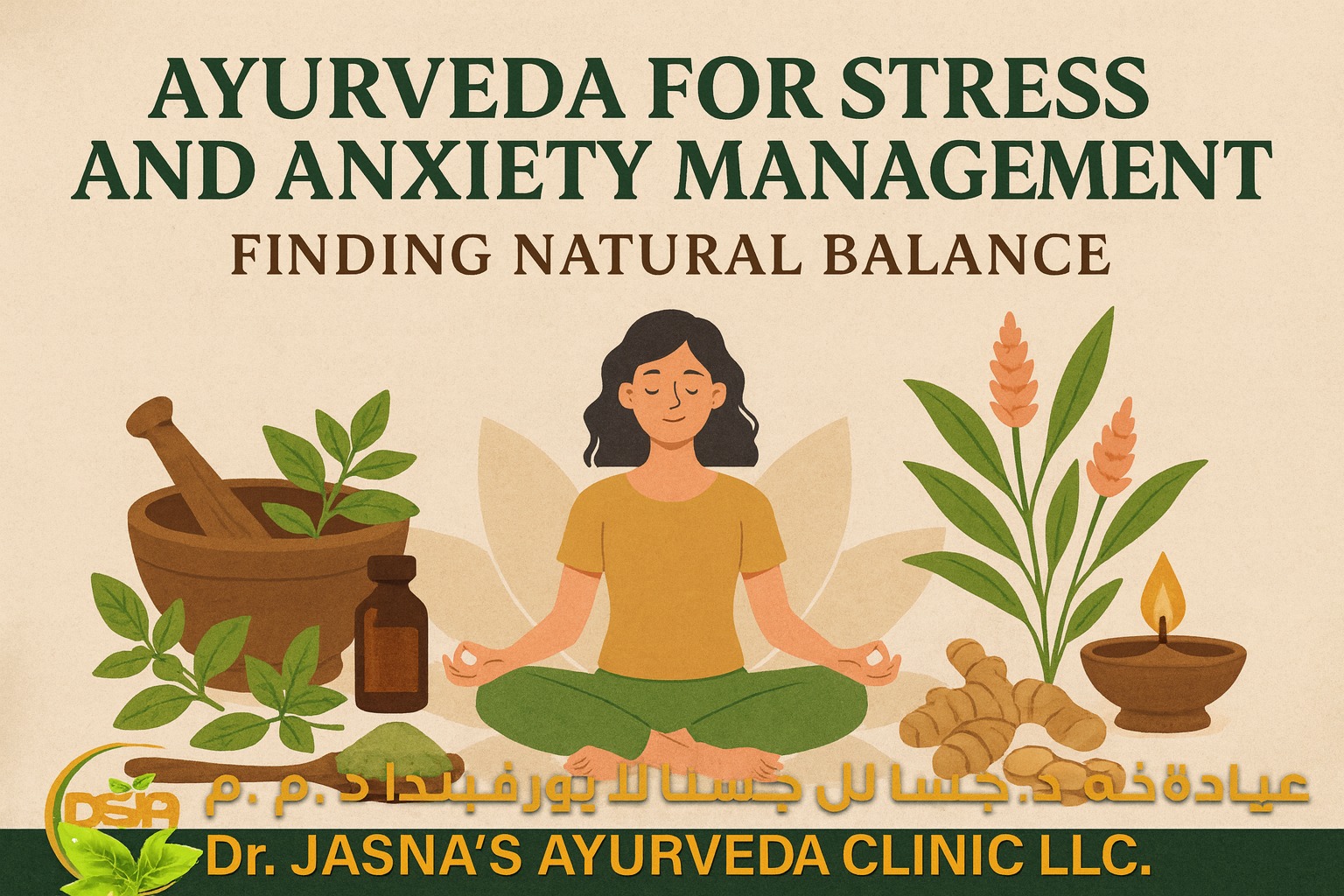
Stress and anxiety are among the most common health challenges of modern life. With fast-paced routines, digital distractions, and constant pressure to perform, many people experience mental and emotional strain on a daily basis. While occasional stress is natural, chronic stress and anxiety can lead to serious health problems, including insomnia, digestive issues, weakened immunity, and even cardiovascular concerns.
Ayurveda, the ancient Indian system of holistic healing, offers a natural, time-tested approach to managing stress and anxiety. Unlike quick fixes or short-term solutions, Ayurveda focuses on balancing the mind, body, and spirit to achieve long-term resilience and peace of mind.
In this blog, we’ll explore how Ayurveda understands stress, the role of doshas, lifestyle practices, diet, and herbs that help in managing anxiety naturally.
In Ayurveda, health is defined as a state of balance between the three doshas – Vata, Pitta, and Kapha. Each dosha governs different functions in the body and mind. When these energies are out of balance, they manifest as physical or mental disturbances.
Vata imbalance: Often associated with restlessness, fear, worry, and insomnia.
Pitta imbalance: Leads to irritability, frustration, anger, and burnout.
Kapha imbalance: Can cause lethargy, depression, and lack of motivation.
Stress and anxiety are primarily linked with Vata dosha imbalance, as Vata governs the nervous system and mental activity. However, chronic stress can disturb all three doshas over time, creating deeper physical and psychological issues.
Ayurveda’s approach is holistic. It doesn’t just target symptoms but works to restore harmony through:
Diet (Ahara) – Eating foods that balance the doshas.
Lifestyle (Vihara) – Creating routines that bring calm and stability.
Herbs (Aushadhi) – Using natural remedies to soothe the mind and body.
Therapies – Detoxification and rejuvenation practices like Panchakarma.
Mind-Body Practices – Yoga, meditation, and breathing exercises.
Food directly impacts our mental state. Ayurveda prescribes a Sattvic diet to calm the mind and stabilize emotions.
Warm, freshly cooked meals
Whole grains like rice, oats, and quinoa
Fresh fruits such as bananas, apples, and pomegranates
Vegetables like carrots, beets, and leafy greens
Nuts and seeds soaked overnight (almonds, walnuts)
Dairy products like milk and ghee in moderation
Herbal teas: chamomile, brahmi, tulsi
Processed and packaged foods
Excess caffeine and alcohol
Spicy, fried, and oily foods
Refined sugar and fast food
Eating at regular times and avoiding late-night meals are equally important for calming the mind.
Ayurveda offers powerful herbs known as Medhya Rasayanas (mind rejuvenators) that strengthen the nervous system and improve emotional resilience.
Ashwagandha – Reduces cortisol levels, improves sleep, and relieves anxiety.
Brahmi (Bacopa monnieri) – Enhances memory, reduces stress, and promotes calmness.
Shankhpushpi – Improves concentration and reduces mental fatigue.
Jatamansi – Calms the nervous system and supports deep sleep.
Tulsi (Holy Basil) – Adaptogen that reduces stress and boosts immunity.
Licorice root – Nourishes adrenal glands and combats fatigue.
These herbs can be consumed as powders, capsules, teas, or in formulations prescribed by an Ayurvedic doctor.
Ayurveda recommends rejuvenating therapies that calm the nervous system and balance doshas:
Shirodhara: Warm herbal oil poured on the forehead to deeply relax the mind.
Abhyanga: Full body massage with medicated oils to reduce tension.
Nasya: Administration of herbal oils through the nose to calm the mind.
Swedana: Herbal steam therapy to detoxify and ease muscular stress.
Panchakarma: A complete detox and rejuvenation therapy for restoring balance.
These therapies, when combined with herbs and diet, offer long-lasting relief from stress and anxiety.
Ayurveda and Yoga go hand in hand. Simple yoga postures and breathing techniques can transform mental well-being.
Child’s Pose (Balasana) – Relieves tension and calms the mind
Forward Bend (Paschimottanasana) – Reduces anxiety and improves relaxation
Bridge Pose (Setu Bandhasana) – Stimulates the nervous system
Corpse Pose (Shavasana) – Promotes deep rest
Nadi Shodhana (Alternate Nostril Breathing) – Balances energy and calms emotions
Bhramari (Humming Bee Breath) – Relieves stress instantly
Ujjayi Breath – Soothes the nervous system
Small lifestyle changes make a big difference in stress management:
Follow a daily routine (Dinacharya) – Wake up and sleep at the same time.
Morning rituals – Tongue scraping, warm water, and oil pulling.
Self-massage (Abhyanga) – Calms the nervous system before a shower.
Spend time in nature – Walk barefoot on grass or sit near water.
Digital detox – Limit screen time, especially before bedtime.
Mindful living – Practice gratitude and positive affirmations.
Modern research supports Ayurveda’s effectiveness in managing stress and anxiety:
Studies on Ashwagandha show reduced cortisol levels and improved sleep quality.
Brahmi has been found to enhance cognitive function and reduce stress.
Ayurvedic therapies like Shirodhara have shown measurable calming effects on the nervous system.
While Ayurveda provides effective tools for stress relief, it is important to consult an Ayurvedic practitioner for personalized guidance. Severe anxiety disorders may require integrated care, combining Ayurveda with counseling or medical support.
Ayurveda teaches us that stress and anxiety are not just mental problems but imbalances that can be healed through natural harmony. By adopting Ayurvedic diet, herbs, therapies, and lifestyle practices, one can achieve not just temporary relief but a long-term state of peace and resilience.
Instead of suppressing symptoms, Ayurveda helps us reconnect with balance, bringing clarity, calm, and confidence into our lives.