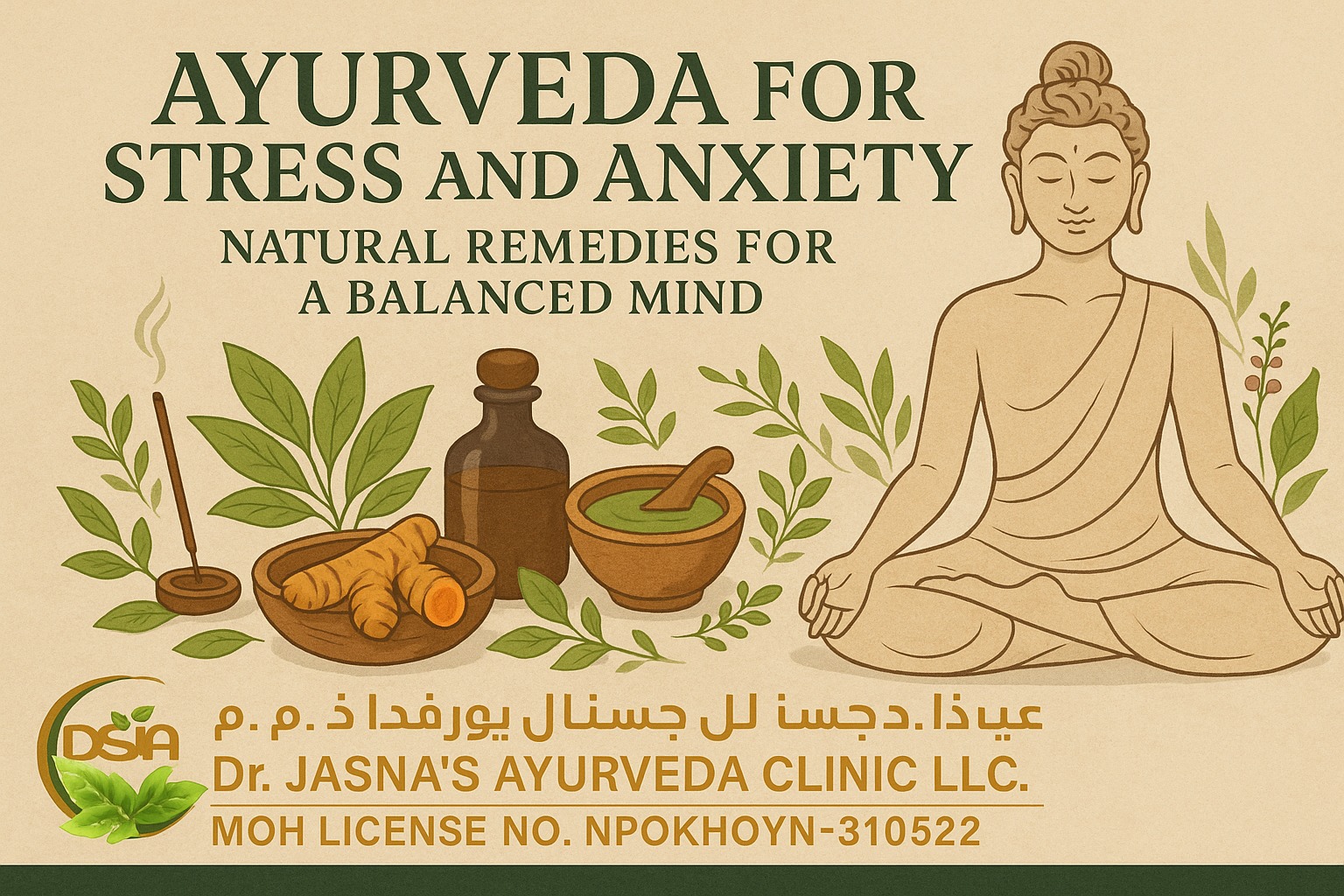
In today’s fast-paced world, stress and anxiety have become everyday struggles for millions of people. From work pressure and family responsibilities to financial concerns and lifestyle choices, mental health challenges are on the rise. Modern medicine often relies on quick fixes like anti-anxiety pills or sleeping tablets, which may provide temporary relief but rarely address the root cause of stress.
Ayurveda, the ancient Indian system of holistic medicine, offers a natural and sustainable approach to managing stress and anxiety. Instead of suppressing symptoms, Ayurveda seeks to restore balance in body, mind, and spirit. This article explores Ayurvedic remedies, lifestyle practices, and diet tips that help calm the mind and promote long-term mental well-being.
According to Ayurveda, stress and anxiety are linked to an imbalance in the doshas—Vata, Pitta, and Kapha.
Vata imbalance leads to restlessness, fear, and insomnia.
Pitta imbalance manifests as irritability, anger, and burnout.
Kapha imbalance may cause lethargy, withdrawal, and depression.
Ayurveda teaches that mental wellness comes from balancing these doshas through diet, herbs, meditation, and lifestyle practices.
Known as the king of Ayurvedic herbs, Ashwagandha is a powerful adaptogen. It reduces cortisol (the stress hormone), improves sleep quality, and enhances resilience to stress.
Brahmi is a brain tonic that improves concentration, memory, and mental clarity while calming the nervous system.
This herb has natural sedative properties and is often used in Ayurveda to relieve anxiety, restlessness, and insomnia.
Shankhpushpi nourishes the mind, reduces overthinking, and helps with relaxation.
Tulsi tea or extracts help lower stress, boost immunity, and balance mood swings.
Ayurveda emphasizes the connection between gut health and mental health. A diet rich in fresh, sattvic (pure) foods supports a calm mind.
Include: Milk, ghee, fresh fruits, leafy greens, almonds, walnuts, whole grains.
Avoid: Excess caffeine, alcohol, fried foods, processed snacks, and very spicy dishes.
Hydration: Drink warm water or herbal teas instead of cold beverages to support digestion.
A deeply relaxing therapy where warm herbal oil is poured gently over the forehead. It calms the nervous system, improves sleep, and reduces stress.
Daily self-massage with warm sesame or coconut oil nourishes the body and relaxes the mind.
Applying medicated oils through the nasal passage helps clear mental tension and promotes emotional stability.
A cleansing therapy that removes toxins, restores dosha balance, and rejuvenates mental and physical health.
Regular Yoga Practice – Poses like Balasana (Child’s Pose), Shavasana (Corpse Pose), and Sukhasana (Easy Pose) help calm the mind.
Pranayama (Breathing Techniques) – Nadi Shodhana (alternate nostril breathing) and Bhramari (humming breath) reduce anxiety instantly.
Meditation – Daily meditation for even 10–15 minutes improves emotional resilience and reduces racing thoughts.
Sleep Hygiene – Go to bed early, avoid screens before bedtime, and use calming teas like chamomile or Brahmi tea.
Routine (Dinacharya) – Following a consistent daily routine keeps Vata balanced, reducing stress and anxiety.
Ayurveda emphasizes mindfulness in eating, working, and relationships. Stress often arises from overthinking and multitasking. Practicing mindfulness—paying full attention to the present moment—helps reduce anxiety naturally.
Simple practices include:
Eating slowly without distractions.
Spending time in nature.
Journaling thoughts and feelings.
Practicing gratitude daily.
Scientific studies increasingly confirm Ayurveda’s effectiveness in mental health:
Research shows Ashwagandha reduces cortisol and improves stress resilience.
Brahmi has been proven to enhance memory and reduce anxiety in clinical trials.
Yoga and meditation are widely accepted as evidence-based therapies for anxiety disorders.
This integration of ancient wisdom and modern research makes Ayurveda a sustainable solution for stress management.
While Ayurveda is effective for mild to moderate stress and anxiety, professional consultation is important in severe cases. Ayurveda doctors provide customized treatments based on dosha imbalances, body constitution, and lifestyle.
Ayurveda provides a comprehensive, natural, and holistic path to overcoming stress and anxiety. By combining herbs, diet, therapies, yoga, and mindfulness, individuals can restore balance in their body and mind. Unlike temporary pharmaceutical solutions, Ayurveda addresses the root cause of mental imbalance, helping achieve long-term peace and emotional resilience.